Travel Guide
Travelling to
Sri Lanka.
Everything you need to know before you arrive — from visas and currency to cultural customs and what to pack.
Visa Information
Getting Into Sri Lanka
Most nationalities, including Australians, New Zealanders, and British citizens, require an Electronic Travel Authorisation (ETA) to enter Sri Lanka.
The ETA is a simple online application available through the official Sri Lanka ETA portal (eta.gov.lk). It is typically processed within 24–72 hours and costs approximately USD $35–50 depending on your nationality.
Your ETA allows a 30-day stay, extendable to 90 days through the Department of Immigration in Colombo. We provide detailed visa guidance as part of your pre-departure briefing.
Important: Your passport must be valid for at least 6 months beyond your return date.
Currency
Money in Sri Lanka
Sri Lanka uses the Sri Lankan Rupee (LKR). The exchange rate fluctuates — check xe.com for current rates before you travel.
ATMs are available in Colombo and major cities but can be unreliable in rural areas. Cards are accepted at larger hotels and restaurants, but cash is essential almost everywhere else.
Quick tips:
• Exchange currency at the airport on arrival or at reputable Colombo bureaus
• Notify your bank before departure to avoid card blocks
• Carry smaller denomination notes (LKR 100–1,000) for everyday use
• US Dollars are useful as a backup in tourist areas
See our full Money & Tipping guide below for cash strategy, USD guidance, and a detailed tipping breakdown.
Money & Tipping
Cash, Currency & Tipping in Sri Lanka
Cash is king in Sri Lanka. While cards are increasingly accepted in larger hotels and restaurants, the vast majority of daily life — from tuk-tuks and local eateries to markets, temples, and rural guesthouses — runs entirely on cash. Always carry sufficient notes, as ATMs can be scarce and unreliable outside of major cities.
The Sri Lankan Rupee (LKR):
The Rupee is the national currency and your everyday currency for all local transactions. Exchange at the airport upon arrival or at reputable exchange bureaus in Colombo — rates are generally better than overseas. Keep a good supply of smaller denominations (LKR 100, 500, 1,000) for tuk-tuks, markets, and everyday tips.
US Dollars:
US Dollars are widely accepted alongside Rupees, particularly in tourist areas — at upmarket accommodation, national parks, tour operators, and some entrance fees. In many popular destinations, both currencies are used comfortably side by side. That said, in smaller villages and truly local settings, USD may not be recognised at all. It is worth carrying some USD cash as a practical backup, but do not rely on it exclusively.
Kerry will advise on the ideal cash mix based on your specific itinerary before departure.
Tipping Guide:
Tipping is genuinely appreciated in Sri Lanka and makes a meaningful difference to the lives of the people who make your journey special. It is not mandatory, but it is warmly welcomed.
• Restaurants & cafés — 10% if a service charge is not already included on the bill
• Private drivers — LKR 1,000–2,000 per day; a trusted driver is worth generous acknowledgment
• Local guides — LKR 1,500–3,000 per day depending on the quality of the experience
• Hotel housekeeping — LKR 200–500 per day, left in the room each morning
• Porters & baggage handlers — LKR 100–200 per bag
• Spa & wellness therapists — 10–15% of the treatment cost
• Safari jeep drivers — LKR 500–1,000 per outing
A note on giving: Kerry encourages tipping in cash directly to the individual rather than through a central tip box, wherever possible. This ensures the money reaches the person who served you. Small gestures of appreciation go a long way in Sri Lanka.
Health & Safety
Staying Well
We strongly recommend visiting a travel health clinic 6–8 weeks before departure. Common recommendations for Sri Lanka include:
Vaccinations: Hepatitis A, Typhoid, and ensure routine vaccinations are up to date. Hepatitis B and Rabies may be recommended for longer stays.
Malaria: Sri Lanka is generally low risk for malaria in most tourist areas, but your doctor will advise based on your specific itinerary.
Dengue Fever: Present in Sri Lanka. Use insect repellent (DEET-based), wear long sleeves at dawn and dusk, and eliminate standing water around accommodation.
Food & Water: Drink bottled or filtered water only. Eat freshly cooked food from reputable sources. Kerry's local knowledge helps guide you to safe and delicious dining throughout your journey.
Emergency numbers in Sri Lanka:
• Police: 119
• Ambulance: 110
• Tourist Police: 011 242 1052
Local Customs
Respectful Travel in Sri Lanka
Sri Lanka is a predominantly Buddhist country with Hindu, Muslim, and Christian communities. Cultural sensitivity is central to a meaningful experience.
Temple Etiquette:
• Remove shoes before entering temples and sacred sites
• Dress modestly — cover shoulders and knees (sarongs are often available at entrances)
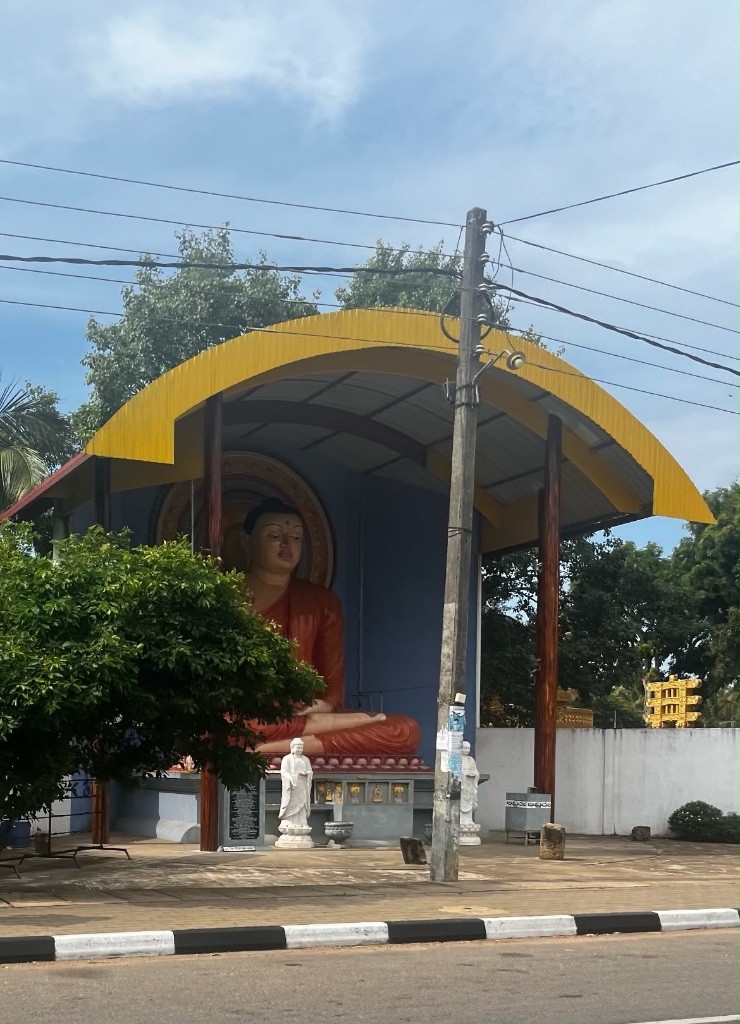
• Never turn your back to a Buddha statue for a photo
• Refrain from pointing feet toward sacred images
General Customs:
• The head is considered sacred — avoid touching adults' heads
• Use your right hand for passing objects and receiving items
• Public displays of affection are generally frowned upon
• Asking permission before photographing people is always appreciated
Greetings: A gentle namaste or simply saying "Ayubowan" (long life) with a slight bow is warmly received.
Dress: Modest dress is appreciated across Sri Lanka, particularly in religious sites and rural areas. Light, breathable, modest clothing serves you well in both comfort and cultural respect.
Traveller Essentials
Customs, Tipping & Packing Smart
Local Customs & Etiquette:
• Remove shoes before entering homes, temples, and many guesthouses
• Dress modestly — cover shoulders and knees in villages and sacred sites
• Use your right hand for giving, receiving, and eating
• Ask permission before photographing locals — a smile and a gesture goes a long way
• "Ayubowan" (ah-YOO-bo-wan) — meaning "long life" — is a warm, respectful greeting
• The head wobble (side-to-side) means "yes" or acknowledgment — don't be confused!
Tipping Culture:
• Tipping is appreciated but not mandatory
• Restaurants: 10% if service charge isn't already included
• Drivers & guides: LKR 500–1,500 per day is generous and meaningful
• Hotel staff, porters, housekeeping: LKR 100–300
• Kerry will brief you on appropriate tipping before each experience
Packing for Sri Lanka's Diverse Climate:
Sri Lanka has tropical lowlands, cool misty highlands, arid north, and lush rainforests — often all in one trip.
Lowlands & Coast (hot & humid, 28–34°C):
• Lightweight linen or cotton clothing
• Breathable loose-fit trousers and long tops for cultural sites
• Swimwear, reef-safe sunscreen, sun hat
Highlands (cool, 10–20°C at night):
• A light fleece or warm layer for evenings in Nuwara Eliya or Ella
• Comfortable walking shoes for hill walks and tea estate visits
All Regions:
• Packable waterproof jacket (rain can arrive unexpectedly)
• DEET insect repellent
• Reusable water bottle with filter
• Power adapter (Type D/G plugs)
• Photocopies of all travel documents stored separately from originals
What to Pack
Packing for Sri Lanka
Sri Lanka is a tropical island with distinct wet and dry seasons that vary by region. Here's what we recommend regardless of season:
Clothing:
• Lightweight, breathable fabrics (linen and cotton are ideal)
• Modest clothing for temples (long pants, skirts, or a sarong; tops covering shoulders)
• Light waterproof jacket or packable poncho
• Comfortable walking shoes and sandals
• Swimwear for beach or pool days
Essentials:
• High-SPF sunscreen and lip balm
• DEET insect repellent
• Reusable water bottle with filter
• Power adapter (Type D/G sockets used in Sri Lanka)
• Personal medications and a small first-aid kit
• Photocopies of passport and travel documents
For Wildlife Safaris:
• Neutral-coloured clothing (khaki, olive, beige)
• Binoculars
• Camera with zoom lens
Kerry provides a detailed personalised packing guide as part of your pre-departure documentation.

Ready to explore?
Let Kerry guide you through every detail.
From visa advice to cultural tips — we take care of the details so you can focus on the experience.
Start Planning